
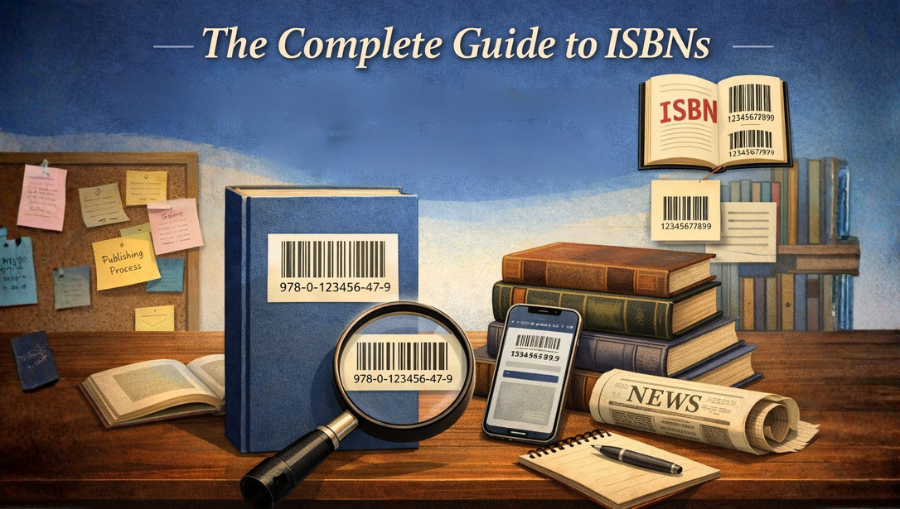
Publishing a book is an exciting journey, but one crucial step in this process is securing an ISBN (International Standard Book Number). An ISBN helps ensure your book is recognized, tracked, and accessible for sale worldwide. Whether you’re a first-time author or a seasoned publisher, understanding ISBNs is essential to achieving success in the global market. In this comprehensive guide, we’ll break down everything you need to know about ISBNs from what they are, why they matter, to how to obtain one for your book.
What Is an ISBN?
An ISBN is a unique identifier for books. It serves as a barcode that identifies specific editions and formats of a book. Every time a new edition or format of a book is released, it must have a unique ISBN.
- Primary Purpose: The ISBN helps libraries, bookstores, and distributors catalog books efficiently.
- Global Recognition: ISBNs are recognized globally, which ensures that your book can be easily found, tracked, and sold in multiple countries.
Why ISBNs Are Important in Publishing
- Distribution: ISBNs help booksellers, libraries, and distributors identify your book for stock and sales.
- Tracking: ISBNs ensure your book’s sales are tracked accurately and royalties are paid correctly.
- International Recognition: Without an ISBN, your book might not be available in certain regions or retail outlets.
History and Evolution of ISBN
The ISBN system was introduced in 1970 in the UK by Nielsen Book Services, but the concept originated in the United States as a bookland code. Over the years, the system has evolved to cater to the growing volume of books and the increasing need for digital editions.
In 2007, the ISBN format switched from 10 digits to 13 digits to increase the capacity of available ISBNs and improve its compatibility with barcode scanners and digital platforms.
Types of ISBNs
- ISBN 10: The ISBN 10 format, used until 2007, contains 10 digits and includes a check digit. ISBN 10 was the standard format used by publishers, but it has since been replaced by ISBN 13 to accommodate more global book distribution.
- ISBN 13: The ISBN 13 format was introduced in 2007 and includes 13 digits. This format allows for more ISBNs and provides better compatibility with barcode scanners, eBook distribution, and international standards.
Where to Find an ISBN on a Book
Books are typically printed with the ISBN located in three places:
- Back Cover: Usually found near the barcode.
- Spine: Often printed along the edge of the book’s spine.
- Copyright Page: Inside the book, typically near the publisher details.
For digital books (eBooks), the ISBN is included in the metadata, which can be found on platforms like Kindle, Kobo, or Apple Books.
How ISBNs Work in Book Publishing
Each ISBN uniquely identifies a specific book edition, including:
- Format (hardcover, paperback, eBook, audiobook)
- Publisher
- Author
- Language
Having an ISBN makes your book available to retailers, distributors, and libraries, where readers can easily find and purchase it. The ISBN also helps manage rights and royalties, ensuring authors receive proper compensation for their work.
Conclusion
An ISBN is more than just a number, it’s a critical tool for every book publisher. Whether you are self-publishing or working with a traditional publisher, obtaining an ISBN ensures your book’s visibility, availability, and profitability in the global market.